Creating a raised garden bed can be a fulfilling endeavor. However, selecting the right size is crucial. Understanding how to choose the right size raised garden bed will set you up for success. It directly impacts plant health, accessibility, and overall yield.
A properly sized bed maximizes your gardening space while remaining manageable. If it's too large, maintaining the bed becomes a chore. Conversely, if it’s too small, you may feel limited in your options. Consider your physical ability and gardening goals before making a decision.
Reflecting on your past experiences can help. Maybe you’ve faced challenges with maintenance or harvests. Learning from these moments can guide your choice. A well-thought-out approach ensures your raised garden bed meets your needs while enhancing your gardening experience.
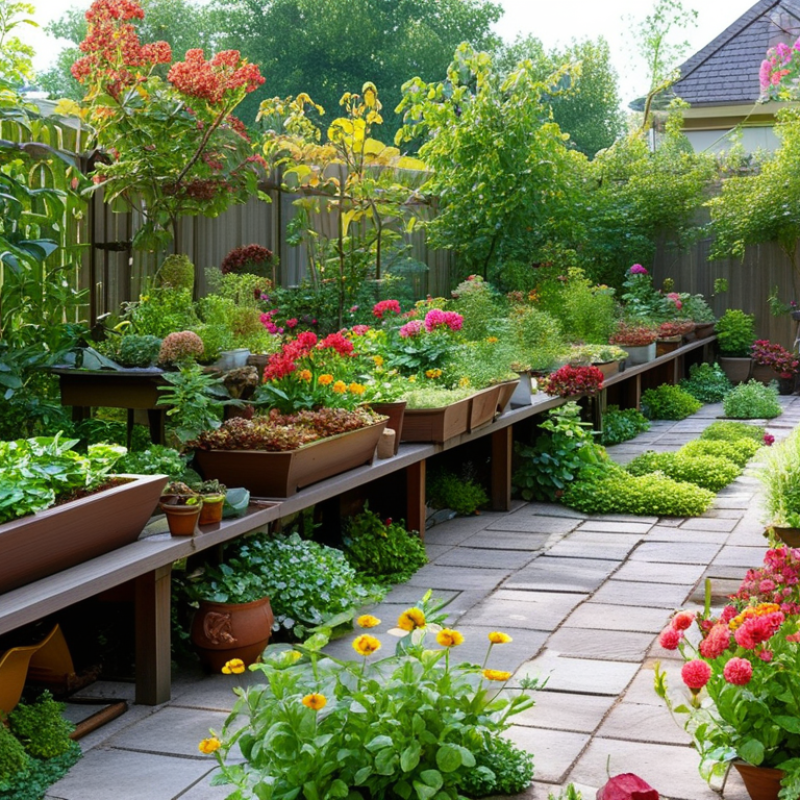
When selecting a raised garden bed, size is crucial. Many new gardeners overlook this fundamental aspect. The right dimensions can influence plant health, yield, and maintenance. A common size is 4x8 feet. It provides ample space while remaining manageable. Yet, if space is limited, a 2x4-foot bed can also be effective. Ultimately, your available area and gardening goals should guide your choice.
The depth of the bed is equally important. A minimum of 12 inches allows roots to grow well. Some plants need deeper soil to thrive. If you aim to grow root vegetables, consider a bed that’s 18 inches deep. Reflect on your local soil's quality, too. If the soil isn’t suitable, a deeper raised bed can help.
Accessibility can also complicate decisions. If you have mobility issues, a taller bed may be necessary. However, if you choose a height of 30 inches, you must ensure stability. Each size has its pros and cons. Keep reviewing your needs as you gain experience. Gardening is a journey, and your setup can evolve over time.
When selecting the perfect size for a raised garden bed, several key factors come into play. One major consideration is the available space in your yard. According to the American Community Gardening Association, optimal bed sizes typically range from 4x4 feet to 4x8 feet. This size facilitates easy access to plants and helps maximize yield. However, a smaller bed may suit a limited space or a beginner gardener, allowing for manageable upkeep.
Another important factor is the type of plants you wish to grow. Vegetables like tomatoes and peppers need more room, often thriving in wider beds. Research from the University of New Hampshire Extension suggests that deeper beds, about 12 to 18 inches high, can promote better root growth, especially for root vegetables. It’s essential to think about plant spacing too—overcrowding can lead to competition for nutrients and sunlight.
Personal convenience should not be overlooked. An ideal height should allow for easy maintenance without straining your back. Many find that a height of 24 to 30 inches strikes a good balance. However, a taller bed may not suit all gardeners, especially those less mobile or shorter in stature. Reflecting on your own physical ease is critical for long-term gardening success.
When selecting the perfect raised garden bed, understanding common dimensions can greatly aid your decision. Standard sizes vary widely, but many gardeners find a 4x4 foot bed ideal for small spaces. This size allows easy access from all sides. It also works well for herbs or flowers. A 4x8 foot bed offers more planting space, perfect for vegetables. With these dimensions, you can grow a variety of crops. Remember, tall plants might require more space.
For beginners, a height of 12-18 inches is often recommended. This depth allows roots to thrive while making gardening easier on the back. However, some might prefer a deeper bed for root vegetables. In contrast, a shallow bed can be less effective for crops like carrots.
Evaluate your gardening goals before making a choice. Some may wish to grow a variety of plants, while others focus on a single crop. Think about your available space and the sunlight in your area. Experimentation may lead to size adjustments over time. It’s essential to reflect on what works best for you.
When assessing your space for a raised garden bed, consider sunlight exposure first. Most vegetables need full sunlight for optimal growth. Look for a spot that gets at least six to eight hours of sun each day. Note that trees or buildings nearby might cast shadows. Their positions can change throughout the day. You must observe your space during different times to avoid poor plant growth.
Next, think about accessibility. Raised garden beds should be reachable for planting and maintenance. Place them where you won't have to navigate obstacles. Paths should be at least two feet wide. This spacing helps with maneuverability, especially when watering or harvesting. If the bed is too far away, you might neglect it. Also, consider the landscape’s drainage. A dry area might need extra watering. Wet spots can promote rot. Evaluate the soil type, too. Healthy soil can make a difference.
Finally, contemplate the aesthetic appeal. A garden should complement your outdoor space. Raised beds can enhance visual interest if placed thoughtfully. However, a poorly chosen location can look out of place. An unkempt bed might also attract pests. Reflect on these factors carefully to create a thriving garden. Your choices can lead to a rewarding gardening experience or a frustrating challenge.
| Dimension (ft) | Suitable Planting Area (sq ft) | Recommended Plant Types | Ideal Location |
|---|---|---|---|
| 4 x 4 | 16 | Herbs, Small Vegetables | Sunny Corner, Small Yards |
| 4 x 8 | 32 | Salad Greens, Tomatoes | Backyard, Areas with Full Sun |
| 3 x 6 | 18 | Root Vegetables, Peppers | Near Walkways, Open Areas |
| 2 x 4 | 8 | Flowers, Small Fruits | Balcony, Patios |
| 5 x 5 | 25 | Mixed Vegetables, Container Gardening | Spacious Yards, Garden Corners |
Selecting the right height for your raised garden bed greatly impacts your gardening experience. For those with mobility challenges, a higher bed can provide better accessibility. Raised beds between 24 to 36 inches are often suitable for easy reach. It allows gardeners to tend to plants without bending down too much. Yet, not everyone may find this height comfortable. Some might prefer something lower, around 12 to 18 inches, especially if they enjoy kneeling while gardening.
Understanding personal preferences is vital. If you have back problems, a taller bed might be essential. However, consider the aesthetics as well. A bed that is too tall can dominate your yard's appearance. Sometimes, a balance is necessary. Experimenting with different heights can lead to insights on what works best for you.
Reflect on the accessibility of your garden as well. Wider beds might look appealing but can be hard to manage. Ensure the width allows you to reach the center without straining. Think about your planting choices too. Taller plants may require special attention in higher beds. Ultimately, adaptability in height and design can lead to a fulfilling gardening experience.
: A 4x4 foot bed is often ideal. It allows easy access and is manageable for new gardeners.
A depth of 18 inches is recommended. This depth supports healthy root growth for vegetables like carrots.
Think about available space, plant type, and personal convenience. Each aspect can greatly influence your choice.
Yes, a height of 30 inches can cause stability issues. Consider your own mobility and comfort when choosing height.
Not necessarily. A 2x4-foot bed can be effective in limited space, but may require careful plant selection.
Opt for a deeper raised bed. It helps improve soil quality, allowing your plants to thrive better over time.
Yes, overcrowded plants compete for nutrients and sunlight. Proper spacing is key for optimal growth.
Yes, as you gain experience, your gardening needs may evolve. Adjusting the size over time is perfectly acceptable.
A height between 24 to 30 inches often strikes a good balance for ease of maintenance. Reflect on your comfort levels.
Experimentation can be beneficial. Reflect on what works for you and adjust your bed size accordingly.
In the article titled "How to Select the Perfect Size Raised Garden Bed for You," readers are guided through the essential considerations for choosing the right size raised garden bed. It outlines the basics of raised garden bed sizes, helping gardeners understand how dimensions affect plant growth and accessibility. Factors such as available space, plant types, and personal preferences play a crucial role in determining the optimal size.
Moreover, the article highlights common dimensions for raised garden beds and their specific uses, while providing tips for assessing the ideal location for placement. It emphasizes the importance of height and accessibility needs, catering to those with mobility concerns. Ultimately, this comprehensive guide equips gardeners with the knowledge on how to choose the right size raised garden bed that best suits their gardening aspirations and physical needs.

Snax Garden