Organic mulch can transform a garden’s soil, but it is not a cure-all. Made from materials such as shredded leaves, compost, straw, or untreated wood chips, mulch slowly covers bare ground. It helps conserve moisture, moderate soil temperature, and reduce weed competition. A thin layer can also return organic matter as it breaks down. The results are often visible after several weeks, not overnight.
Why should I use organic mulch in my garden? The better question may be, “Which mulch suits my soil and plants?” Experienced gardeners often spread two to four inches around vegetables, shrubs, and flowers. They leave a small gap around stems and tree trunks. Direct contact can trap moisture and encourage decay. I once applied a thick layer near young tomatoes, expecting faster growth. The soil stayed wet, and a few stems struggled. That mistake changed my approach.
Reliable horticultural guidance recommends checking drainage, mulch quality, and local growing conditions before application. Fresh wood chips may temporarily affect available nitrogen near shallow-rooted plants, while mature compost can improve soil structure more gently. Mulch can also shelter slugs in cool, damp gardens. Watch the surface after rainfall. Smell the material before using it. Avoid mulch containing construction waste, dyed debris, or unknown chemicals.
Good gardening involves observation, adjustment, and some humility. Organic mulch works best as part of a wider care plan, including proper watering, healthy plants, and regular soil checks. Its benefits are practical, but they depend on using the right material at the right depth.
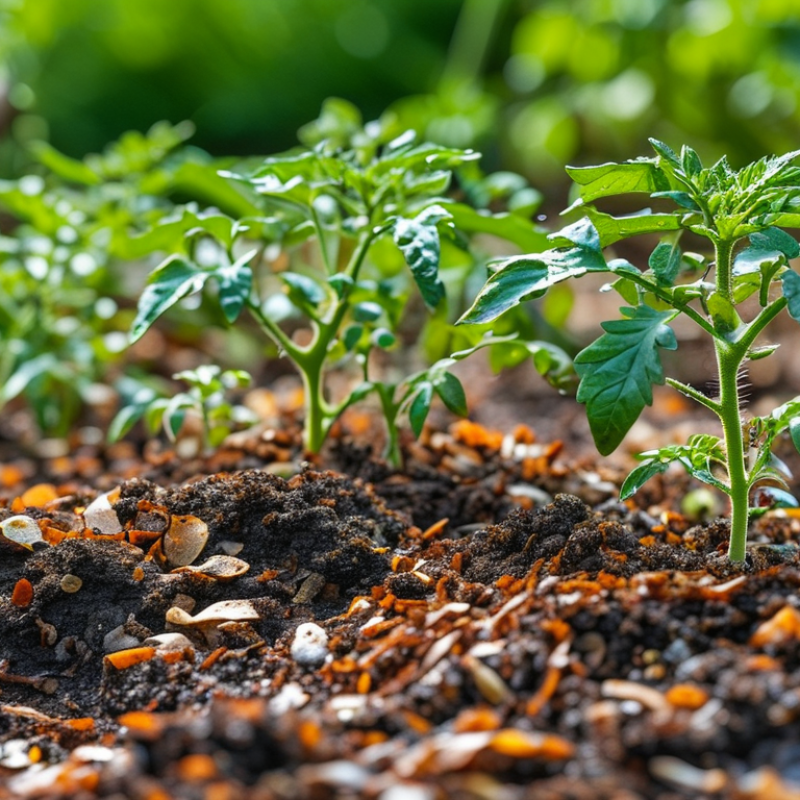
Understanding Organic Mulch and Its Role in Garden Health
Organic mulch is a living layer of natural material placed over garden soil. It may include shredded leaves, straw, grass clippings, or composted bark. Unlike plastic coverings, organic mulch slowly breaks down and feeds soil organisms. This process improves soil structure, though it does not happen overnight.
In my garden, a five-centimeter layer helps the soil stay damp during hot afternoons. Earthworms often appear beneath it, especially after light rain. Mulch also softens heavy rainfall, so fewer soil particles wash away. As it decomposes, it adds organic matter and supports better root growth. Keep mulch a few centimeters away from plant stems. Wet contact can encourage rot and attract pests.
Use clean, mature material with no strong sour smell. Fresh grass clippings can become hot and compacted, so apply them in thin layers. I once spread a thick layer around young seedlings, expecting stronger growth. Instead, the stems stayed weak because air and light were restricted. That mistake changed my routine. Now I check the soil beneath the mulch before watering. If it feels cool and slightly moist, I wait. Mulch is helpful, but it cannot repair poor drainage or replace healthy watering habits. Replenish the layer when it becomes thin, while watching for fungal growth, weeds, and nesting insects.
How to Use Organic Mulch in Your Garden and Why
Typical Organic Mulch Application Depths
Organic mulch helps conserve soil moisture, moderate soil temperature, reduce weed growth, and gradually add organic matter as it decomposes. A typical layer is about 2–4 inches deep, depending on the material. Keep mulch several inches away from plant stems and tree trunks to reduce the risk of rot and pest problems.
Choosing the Right Organic Mulch for Different Garden Needs
Choosing organic mulch starts with the garden’s problem, not the material’s appearance. For dry vegetable beds, shredded leaves or clean straw create a loose blanket. They slow evaporation and soften soil temperature changes. For pathways, coarse wood chips resist compaction better. Around acid-loving plants, pine needles can work, but they should not be treated as a universal soil acidifier.
The U.S. Environmental Protection Agency reported 35.4 million tons of yard trimmings in municipal waste in 2018. Much of this material can return to gardens as compost or mulch. The USDA Natural Resources Conservation Service identifies soil cover as a key practice for reducing erosion, conserving moisture, and supporting soil organisms. These benefits depend on correct use. Apply most organic mulch 5–8 centimeters deep. Keep it several centimeters away from stems and trunks. A thick, wet layer can invite rot and rodents.
I once spread fresh grass clippings too deeply. The surface smelled sour and became slippery after rain. That mistake changed my method. I now dry clippings first and mix them with leaves. Compost suits vegetable beds when nutrients are needed, while bark-like materials are better for longer-lasting paths and borders. Check the source carefully. Diseased plants, weed seeds, and contaminated material can damage a garden. Mulch also disappears. Expect to refresh it as soil organisms break it down, rather than treating one application as permanent protection.
Preparing Garden Beds Before Applying Organic Mulch
Preparing a garden bed properly makes organic mulch more useful. I begin by removing weeds, fallen fruit, and diseased leaves. Small weeds are easiest to pull after light rain. Tough roots may need a hand fork.
I loosen the top few inches of soil without turning it deeply. Deep digging can disturb worms and fragile soil layers. I also check drainage, because wet mulch can encourage root problems. A thin layer of finished compost may help poor soil, but it should not cover plant crowns. Soil should be slightly moist before mulching. Very dry ground can remain dry beneath a thick layer.
I spread shredded leaves, straw, or untreated wood chips evenly across the bed. Two to three inches usually protects the soil without blocking air. I leave several inches around stems and keep mulch away from tree trunks. It should look like a blanket, not a mound. I once applied mulch too thickly near young seedlings, and their lower stems softened after rain. That mistake changed my routine. Now I inspect the bed after heavy weather and pull mulch back when it settles against plants. Organic materials shrink as they decompose, so I add small amounts instead of one heavy layer. I also watch for snails, fungal growth, and bare patches.ਰੇ
Applying Organic Mulch Correctly Around Plants
Organic mulch works best when it supports the soil without touching the plant itself. I usually spread shredded leaves, compost, or untreated straw over damp soil. A two- to three-inch layer helps reduce evaporation and softens temperature changes. Leave three to six inches of bare space around stems and trunks. Direct contact can trap moisture and encourage rot, especially after heavy rain. Keep the mulch away from low leaves as well. They need airflow.
Apply mulch after removing large weeds, but avoid disturbing the soil deeply. Deep digging can bring dormant weed seeds to the surface. I use a small rake and keep the layer loose, not packed. Water the bed slowly afterward, so the material settles without forming a crust. Check the surface every few weeks. If it smells sour, looks waterlogged, or hides insects near the crown, pull some mulch back. That mistake is easy to make.
In vegetable beds, finely shredded materials break down quickly and may need replacing during the season. Coarser bark-like pieces last longer but can slow planting and make small seedlings harder to see. I once applied too much leaf mulch around young peppers. Their lower leaves stayed damp, and growth became uneven. Since then, I measure the depth with my fingers instead of guessing. Leave room for air, rain, and future growth.
How to Use Organic Mulch in Your Garden and Why - Applying Organic Mulch Correctly Around Plants
| Organic Mulch Material |
Recommended Depth |
Best Uses |
Main Benefits |
Typical Replenishment |
Important Application Note |
| Shredded Bark |
2–4 in (5–10 cm) |
Trees, shrubs, perennial beds, pathways |
Long-lasting weed suppression, moisture conservation, temperature moderation |
Every 1–3 years, depending on decomposition |
Keep at least 3–6 in (8–15 cm) away from trunks and stems. |
| Finished Compost |
1–2 in (2.5–5 cm) |
Vegetable gardens, flower beds, around established plants |
Adds organic matter and supports soil structure and nutrient cycling |
Once or twice per growing season |
Use mature, finished compost; avoid burying plant crowns or stems. |
| Shredded Leaves |
2–3 in (5–7.5 cm) |
Perennial beds, vegetable plots, tree and shrub areas |
Improves soil organic matter and protects soil from erosion |
Once or twice per year |
Shred leaves first to reduce matting and maintain air and water movement. |
| Straw |
3–4 in (7.5–10 cm) |
Vegetable rows, strawberries, winter protection |
Reduces soil splash, conserves moisture, and helps moderate soil temperature |
At least annually |
Use clean straw and keep it loose rather than tightly packed. |
| Dry Grass Clippings |
1–2 in (2.5–5 cm) per layer |
Vegetable gardens and around ornamental plants |
Decomposes quickly and contributes nitrogen-rich organic matter |
Every few weeks during active growth |
Apply thin, dry layers; avoid clippings treated recently with herbicides. |
| Pine Needles |
2–3 in (5–7.5 cm) |
Sloped beds, acid-tolerant plants, pathways |
Resists compaction, allows water infiltration, and reduces erosion |
Annually or as the layer thins |
Do not assume it will substantially acidify soil; test soil when pH matters. |
| Wood Chips |
2–4 in (5–10 cm) |
Paths, trees, shrubs, and non-annual plantings |
Long-lasting coverage and effective weed suppression |
Every 1–3 years |
Keep fresh chips on the soil surface and avoid mixing them into garden soil. |
Correct Application Checklist
- Remove large weeds before spreading mulch.
- Apply mulch over moist, well-watered soil rather than dry soil.
- Maintain an open ring around plant stems and tree trunks; never create a “mulch volcano.”
- Keep mulch away from building foundations and allow sufficient airflow around plants.
- Check the depth periodically and refresh only when the layer has noticeably decomposed or thinned.
Maintaining Mulch Layers and Avoiding Common Problems
Organic mulch works best when its layer is monitored, not simply spread and forgotten. Aim for 5–8 centimeters around vegetables, flowers, and shrubs. Keep the material several centimeters away from stems and tree trunks. Contact with damp mulch can encourage decay and attract pests.
Check it weekly.
I usually lift a small section to inspect the soil beneath. It should feel cool and slightly moist, never sour or waterlogged. If the mulch forms a dense mat, loosen it gently with a rake. A compacted layer can block air and slow water movement. Add fresh material when the layer becomes thin, but avoid piling new mulch over old, moldy material. Remove the damaged section first.
Avoid using grass clippings in thick layers. They can heat up, smell unpleasant, and become slimy after rain. Dry them briefly, then apply a thin layer. Fresh woody mulch may temporarily reduce available nitrogen near shallow-rooted plants, so mix compost into the soil before planting rather than burying large amounts of wood. This is not always necessary, but it is a safer choice for young plants. I once spread mulch too close to a shrub’s base, and the lower stems stayed wet for days. The shrub survived, though the mistake was avoidable. Leave a visible ring of bare soil around each trunk. Recheck the depth after heavy rain and strong wind.
Conclusion
Organic mulch is a natural material such as leaves, straw, grass clippings, or composted wood that covers the soil surface and supports overall garden health. It helps conserve moisture, moderate soil temperature, reduce erosion, suppress weeds, and gradually add organic matter as it breaks down. Why should I use organic mulch in my garden? Beyond making garden beds look neat, mulch can improve soil structure and create a more favorable environment for beneficial soil organisms. The best choice depends on your needs: fine materials suit vegetables and annual flowers, while coarser materials work well around shrubs, trees, and perennial plants.
Before mulching, remove existing weeds, loosen compacted soil, and water the bed if it is dry. Spread a consistent layer without piling it against stems or trunks, leaving a small gap to prevent excess moisture and decay. Check the mulch regularly, especially after heavy rain or strong wind, and replenish it as it decomposes. Avoid layers that are too deep, which may block air, encourage pests, or restrict water from reaching plant roots.

 Snax Garden